SaaS Link Building: 8 Strategies That Earn Links
The link building strategies that work for SaaS companies, with real examples, the pages links should point to, and the tactics to avoid.
-
Ayush Shah
- 6 min read
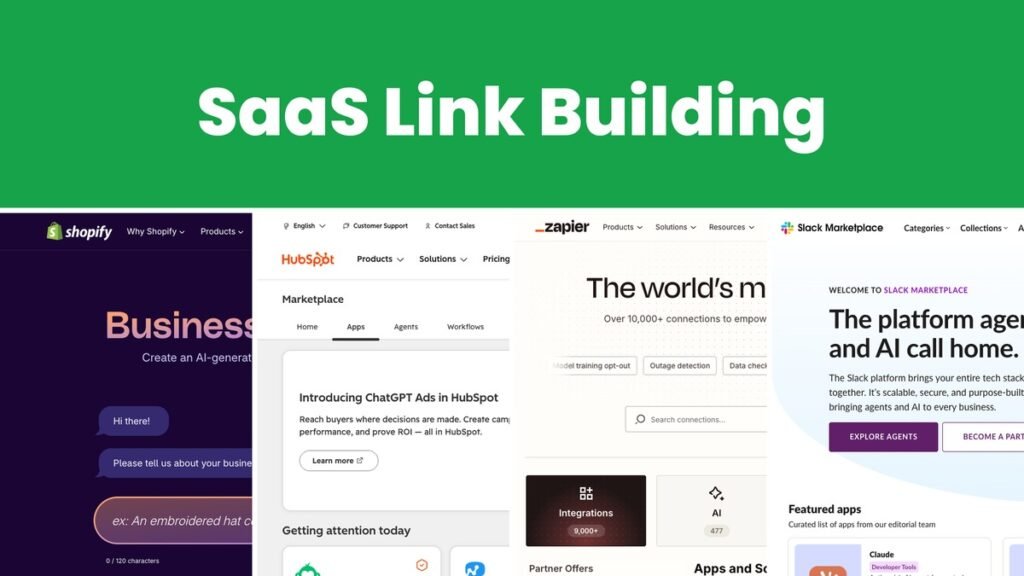
SaaS link building is the work of earning backlinks to a software company’s site so its product, feature and content pages rank for the searches buyers make while comparing tools. Software markets are crowded, and the companies that rank for “best X software” and “X alternatives” are usually the ones with the most relevant links behind them.
Links matter because unlinked pages rarely get found. An Ahrefs study of about 14 billion pages found 96.55% get no traffic from Google at all, and of some 20 million pages with no referring domains, only 2,997 drew more than 1,000 search visits a month. The eight strategies below are the ones that consistently work for software companies.
What Makes Link Building for SaaS Different
Three things set software apart. Buyers research for weeks before booking a demo, so links need to lift mid-funnel pages, not just the blog. SaaS companies can build things other industries cannot, such as free tools, integrations and product data. And the niche is full of other SaaS firms, which makes partner and co-marketing links easier to come by than in most industries.
8 SaaS Link Building Strategies
1. Launch a Free Tool
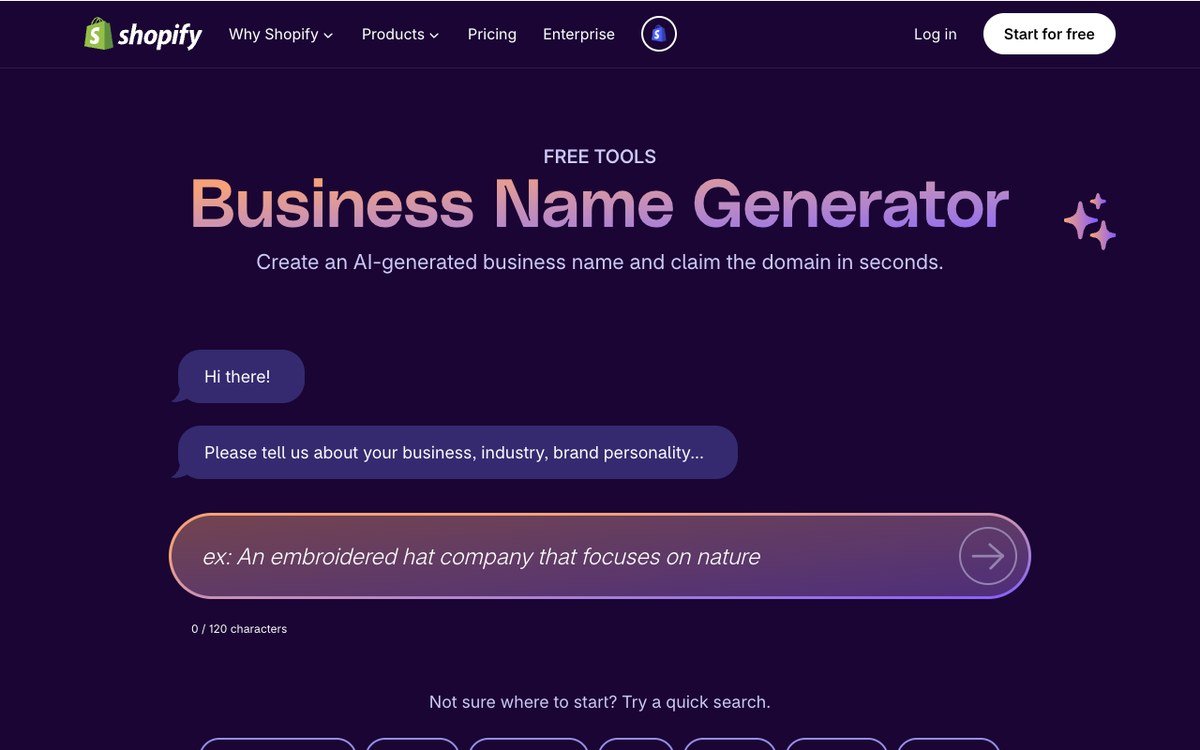
A free calculator, generator or checker that solves one job without a sign-up earns links every time someone recommends it. Shopify’s free business name generator is the classic case: it needs no account and checks domain availability, and BuzzStream counted more than 2,800 backlinks to it in January 2025. Build the tool around a problem your buyers have just before they need your product.
2. Publish Original Data From Your Product
Your product sees patterns nobody else can: usage trends, benchmarks, response times, pricing data. Anonymise and aggregate it into an annual report with one headline number, and journalists, bloggers and analysts will cite it. Updating the same report every year turns it into a source people link to by default.
3. Get Listed on Integration and Partner Pages
Every integration you build is a reason for the partner to list you. App marketplaces and partner directories at companies like HubSpot and Zapier, which connects more than 10,500 apps, put your product in front of buyers already using the platform. HubSpot reviews every listing by hand, per its marketplace listing requirements, so the integration has to be real.
Keep partner pages honest. Google’s link spam policy lists excessive link exchanges and partner pages made only for cross-linking as link spam. A listing that exists because customers use the integration is fine; a page of link swaps is not.
4. Build a Glossary or Learning Hub
Definitions and explainers for the terms in your field attract links from writers who need to point readers to a clear explanation. A glossary also gives your product pages relevant internal links and ranks for early-stage searches long before a buyer is ready to compare tools.
5. Guest Post and Guest on Podcasts
Industry blogs, newsletters and podcasts want practitioners who can explain how they solved a problem. Founders, product leads and engineers make strong guests because they have real stories. Keep anchors natural, since Google flags optimised anchor text in guest posts, and see our guest posting guide for the process.
6. Offer Expert Comment to Journalists
Tech and business reporters need sources on trends in your category. Answering requests on platforms such as HARO, now run by Featured, and Qwoted can earn links from major publications. Pair it with data from strategy 2 and your pitches stand out. Digital PR for SEO covers the wider approach.
7. Turn Brand Mentions Into Links
SaaS products get named constantly in roundups, comparison articles, forum answers and tutorials, often without a link. Track your brand and product names, then ask the writer to link the mention to the relevant page. The writer already recommends you, so the request is small.
8. Co-Market With Customers and Partners
Case studies, joint webinars and co-written guides give both companies a reason to publish and link. Customers who blog about how they use your product, and partners who feature joint customers, provide links from relevant sites that buyers trust.
Review Sites: Useful for Buyers, Weak for Links
G2, Capterra and similar platforms matter for conversion, but they are not reliable link sources. A free G2 profile reportedly carries no link to the vendor’s site, and the paid profile’s “Visit Website” button is marked nofollow. Treat review platforms as a sales channel and a source of brand mentions, and check the HTML of your listing before counting it as a backlink.
Which Pages SaaS Links Should Point To
Blog posts earn links most easily, but they rarely close deals. Point a share of your links, through internal linking and direct outreach, at the pages that sit closer to a purchase:
- Feature and use-case pages that match “software for X” searches
- Comparison and alternatives pages buyers read while shortlisting
- Integration pages for each platform you connect with
- Free tools that lead naturally into a trial
A blog post that earns links should link onward to these pages, passing some of that value to the pages that drive sign-ups.
What to Track
- New referring domains to target pages each month, not total link counts
- Rankings for commercial searches such as “best X software” and “X alternatives”
- Trials and demos from referral traffic and from pages that gained links
- Assisted conversions, since most SaaS buyers visit several times before signing up
Avoid shortcuts that still circulate in SaaS circles, such as buying links that pass ranking credit or redirecting expired domains for their links. Both conflict with Google’s policies. If you want the work done for you, our SaaS link building services place links on sites your buyers read, and our roundup of the best SEO companies for SaaS compares the wider options.
Frequently Asked Questions
How is SaaS link building different from other industries?
SaaS companies can create linkable assets other businesses cannot, such as free tools, integrations and product data. They also need links that lift comparison and feature pages, because buyers research for a long time before signing up.
Do G2 and Capterra give backlinks?
Not reliably. A free G2 profile reportedly has no vendor link, and the paid button is nofollow. Check the HTML of your listing before counting it as a link.
How many links does a SaaS site need each month?
It depends on your category. Check the referring domains of the pages ranking for your main commercial searches and plan to close that gap with relevant links over several months, rather than chasing a fixed monthly number.
Should SaaS links point to the blog or product pages?
Both. Content and tools earn links most easily, and internal links from them pass value to product, comparison and integration pages, which are the ones that convert.
Related Articles

Ayush Shah
Ayush Shah is the founder of RankShifters.com, with a background in SEO, link building, content writing, and digital marketing. He works with businesses, startups, and agencies, and shares what he's learned about search and online growth.
Keep reading
Digital PR for SEO: How It Earns Links and Rankings
Digital PR for SEO explained: how press coverage earns links and mentions, the campaign types that work, pitching tips and how to measure it.
Read the guide →
Law Firm SEO: How to Rank a Law Firm Website
How to rank a law firm website, step by step: Google Business Profile, site structure, practice area content, reviews, schema and links that stay ethical.
Read the guide →
White Hat vs Black Hat Link Building: What Google Allows
White hat vs black hat link building, mapped to Google's own link spam policy, plus the grey areas and how to recover from unnatural links.
Read the guide →