How to Get High Authority Backlinks: 8 Methods That Work
Eight ways to earn high authority backlinks, from journalist requests and original data to broken link outreach, plus what DR and DA really measure.
-
Ayush Shah
- 6 min read
High authority backlinks are links from websites that search engines already trust: established publications, respected industry sites and pages that rank and draw real readers. One of them can do more for a page than dozens of links from sites nobody visits, which is why they are the hardest links to get.
They cannot be bought safely or automated. Each one is earned by giving an editor a reason to cite you. The eight methods below are the ones that reliably produce them.
What Makes a Backlink High Authority?
A high authority backlink comes from a site with a strong link profile of its own, real organic traffic and editorial standards, placed in content relevant to the page it points to. Authority is a property of the linking site and page, while relevance decides how much that authority means for you.
Most people judge authority with a third-party score, and there are three common ones. Each comes from a different company, dataset and formula, so they do not convert into each other:
- Domain Rating (DR): Ahrefs’ measure of the relative strength of a site’s backlink profile, on a logarithmic 0 to 100 scale.
- Authority Score (AS): Semrush’s compound metric combining link power, organic traffic and spam factors, scored 1 to 100.
- Domain Authority (DA): Moz’s score predicting how likely a site is to rank compared with competitors, from 1 to 100.
None of these is a Google metric. In October 2024 Google’s John Mueller warned against chasing tool scores, pointing out that the companies behind them have no access to Google’s data. Use them to shortlist sites, then check what matters: does the site rank for anything, get traffic, and cover your topic? Our free domain rating checker handles the first step.
8 Ways to Get High Authority Backlinks
1. Answer Journalist Requests
Reporters post requests for expert sources every day, and a quote that makes the final story often comes with a link from a major publication. Answer quickly, stick to the question and give a quotable line backed by your own experience or data.
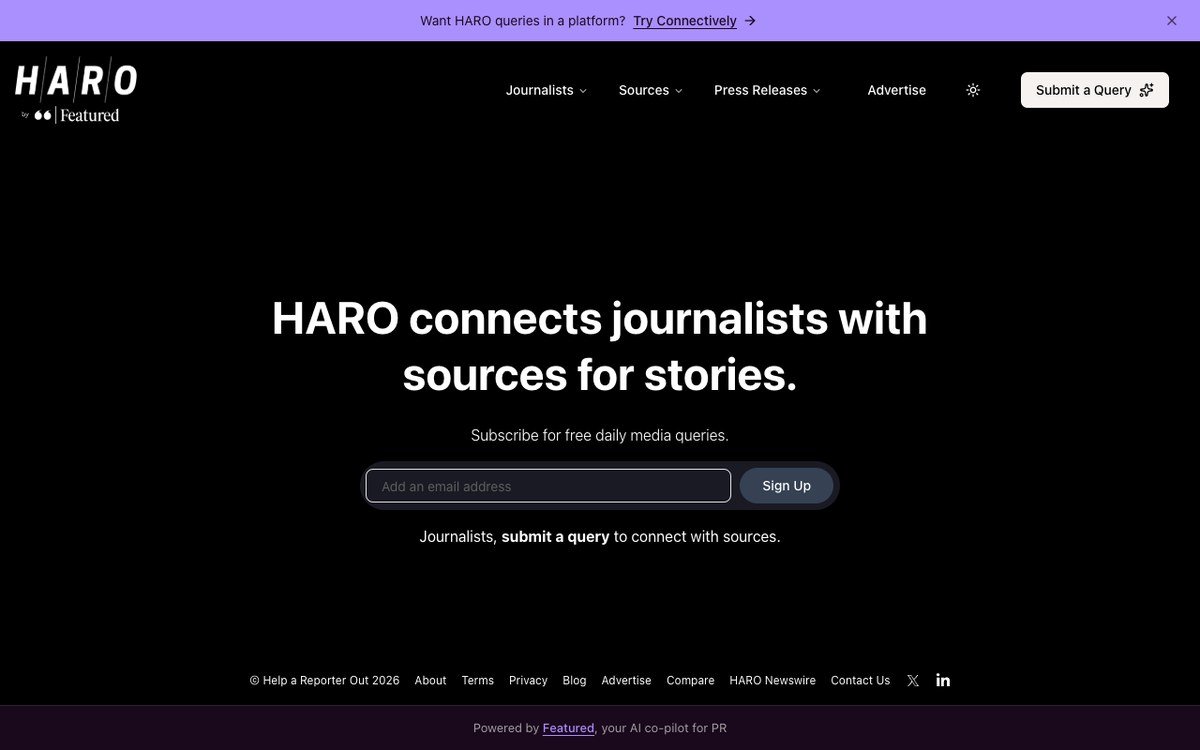
The platforms have changed. Cision closed Connectively, the rebranded HARO, on 9 December 2024, then sold HARO to Featured.com in April 2025, as set out in Cision’s sale announcement. HARO is running again under Featured. Qwoted and Featured are the other main places journalists look for sources.
2. Publish Original Data
Writers need numbers to back their claims, and they link to whoever published the number first. A survey of your customers, an analysis of your own product data or a study of public records gives you a statistic other sites will cite for years. Keep the headline finding short enough to quote in one sentence.
3. Run Digital PR Campaigns
Digital PR packages a story around your data or expertise and pitches it to journalists who cover your industry. A single campaign that lands can earn links from dozens of news sites at once. Digital PR for SEO explains how campaigns are built and measured, and our digital PR services run them end to end.
4. Reclaim Unlinked Brand Mentions
Sites that already mention your brand, product or founder without linking are the easiest wins there are. The writer already chose to talk about you. Set up alerts for your brand name, then send a short note asking for the mention to point at the relevant page.
5. Replace Broken and Outdated Links
Authoritative resource pages collect dead links over time. Find pages in your niche that link to a resource that no longer loads or has gone badly out of date, make sure you have a better version, and tell the editor. You are fixing a problem on their page, which makes the request easy to say yes to.
6. Guest Post on Respected Sites in Your Niche
A guest article on a well-read industry site earns a link and puts your expertise in front of its audience. The value depends on the site keeping a real editorial bar, so aim for publications that turn pitches down. Keep the link natural: Google lists keyword-optimised anchor text in guest posts as link spam. Our guest posting guide walks through the process.
7. Build a Free Tool or Template
Calculators, checkers, generators and templates attract links because people recommend them whenever the problem comes up. A tool that solves one narrow job well keeps earning links long after launch, without new outreach.
8. Use Real Business Relationships
Suppliers, partners, industry associations, events you sponsor and universities you work with often have pages listing the people they work with. Those links come from trusted domains and reflect a real connection. Google draws the line at partner pages built only to swap links, so this works when the relationship exists first.
Shortcuts That Get Sites Penalised
Some offers promise high authority backlinks fast. Google’s link spam policy names most of them directly:
- Buying links that pass ranking credit, with money, goods or free products
- Excessive link exchanges and partner pages made only for cross-linking
- Automated programs or services that create links for you
- Low-quality directory and bookmark links
- Keyword-rich links hidden in widgets, footers or templates across many sites
Paid placements are allowed when the link carries rel=”sponsored” or rel=”nofollow”. A paid link presented as an editorial one is the problem. More on where that line sits in white hat vs black hat link building.
How Many High Authority Backlinks Do You Need?
There is no fixed number. It depends on how many links the pages already ranking for your target keyword have, and how relevant theirs are. In September 2023 Google’s Gary Illyes said links had not been a top-three ranking signal for some time, which is a reminder that content still has to win the click.
A practical way to set a target: check the referring domains of the top five results with a backlink checker, note how many come from relevant, trafficked sites, and plan to match that quality rather than the raw total. Reaching that gap steadily is how our link building campaigns are planned.
Frequently Asked Questions
Is Domain Authority a Google ranking factor?
No. Domain Authority, Domain Rating and Authority Score are scores made by Moz, Ahrefs and Semrush from their own link data. Google does not use them. They are useful for comparing sites quickly, not for predicting rankings.
Is HARO still active?
Yes. Cision shut down Connectively in December 2024 and sold HARO to Featured.com in April 2025. HARO now runs under Featured with free sign-up for daily journalist requests.
Do nofollow links from authority sites help?
Google treats nofollow as a hint rather than a strict rule, so it may still count some of them. A nofollow mention in a major publication also brings referral traffic and brand searches, and other writers often pick up the story with followed links.
What is a good DR for a backlink?
Higher is generally better, but a relevant DR 35 site with steady traffic in your niche can be worth more than a DR 80 site in an unrelated field. Check relevance and organic traffic before the number.
Related Articles

Ayush Shah
Ayush Shah is the founder of RankShifters.com, with a background in SEO, link building, content writing, and digital marketing. He works with businesses, startups, and agencies, and shares what he's learned about search and online growth.
Keep reading
Digital PR for SEO: How It Earns Links and Rankings
Digital PR for SEO explained: how press coverage earns links and mentions, the campaign types that work, pitching tips and how to measure it.
Read the guide →
Law Firm SEO: How to Rank a Law Firm Website
How to rank a law firm website, step by step: Google Business Profile, site structure, practice area content, reviews, schema and links that stay ethical.
Read the guide →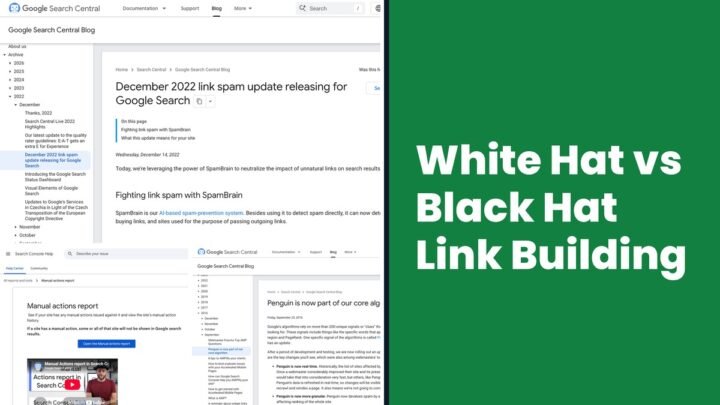
White Hat vs Black Hat Link Building: What Google Allows
White hat vs black hat link building, mapped to Google's own link spam policy, plus the grey areas and how to recover from unnatural links.
Read the guide →