Law Firm SEO: How to Rank a Law Firm Website
How to rank a law firm website, step by step: Google Business Profile, site structure, practice area content, reviews, schema and links that stay ethical.
-
Ayush Shah
- 6 min read
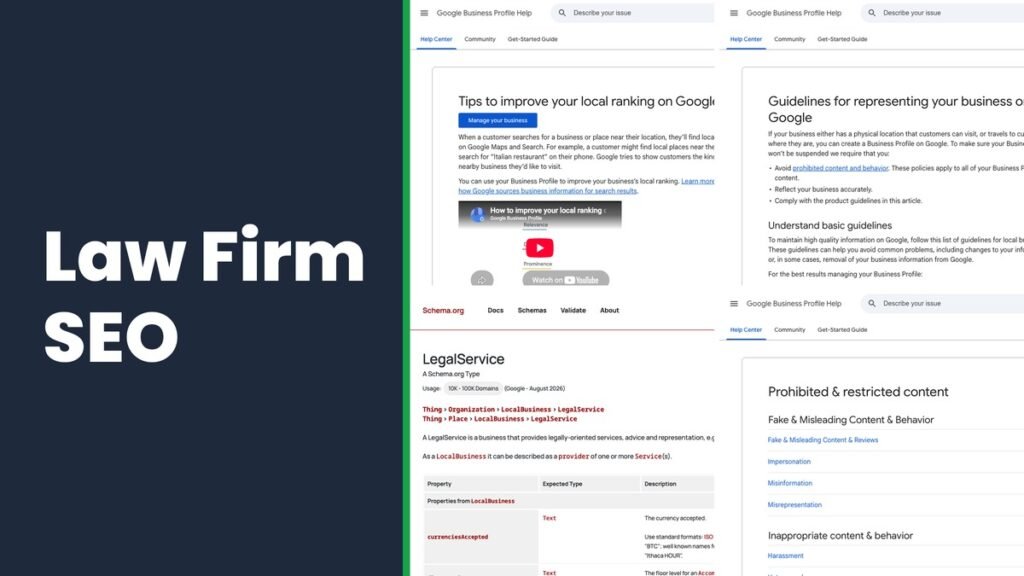
Law firm SEO is the work of getting a law firm’s website and Google Business Profile to show up when people in your area search for the legal help you offer, such as “divorce lawyer near me” or “personal injury attorney in Denver.” Most of those searches are local, high-intent and fiercely competitive.
Getting there means doing a handful of things in the right order and within the rules Google and your state bar set. The steps below run from the quickest wins to the longer-term work.
How Google Ranks Law Firms in Local Search
For map and local results, Google weighs three things, set out on its local ranking help page:
- Relevance: how well your profile matches the search, such as the practice area someone typed.
- Distance: how far your office is from the searcher or the location in the search.
- Prominence: how well known your firm is, including how many sites link to you and how many reviews you have.
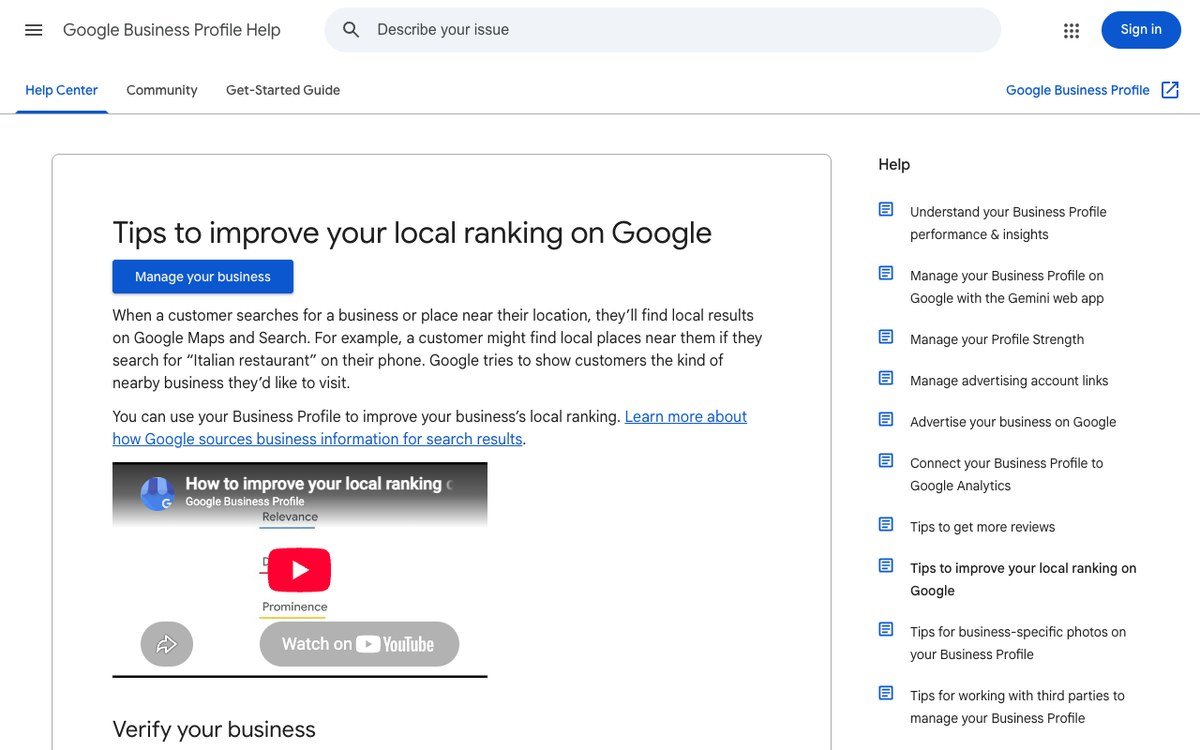
You cannot change distance, so law firm SEO works on relevance and prominence, on both your Business Profile and your website.
Step 1: Set Up Your Google Business Profile Correctly
Your profile is often the first thing a potential client sees. Google’s guidelines for representing your business include rules that apply directly to lawyers:
- Use your real firm name. No keywords, taglines or cities added to it. “Smith Law” is fine; “Smith Law Best Injury Lawyer Miami” breaks the rules.
- Practitioner profiles follow set formats. Lawyers can have their own profile, but a practitioner should not have multiple profiles to cover different specialisations. A solo lawyer at a branded firm shares one profile named in the format “Firm Name: Lawyer Name.”
- Pick precise categories. Choose the primary category that matches your main practice area, then add secondary ones.
- Keep links and offers out of the description. Google allows no links there.
Step 2: Build a Page for Every Practice Area
A single “Services” page cannot rank for divorce, custody and adoption at once. Give each practice area its own page that explains the legal issue, the process, typical timelines and what a client should do next. Add a page for each attorney with their bar admissions, experience and the areas they handle.
Add location pages only where you have an office or genuinely serve clients. Pages that swap one city name for another to catch nearby searches fall under what Google’s spam policies call doorway abuse.
Step 3: Write Content That Earns Trust
Legal topics affect people’s finances, freedom and safety, which puts them in the category Google scrutinises most closely. Google says trust is the most important part of experience, expertise, authoritativeness and trust (E-E-A-T). For a law firm that means:
- Articles written or reviewed by a named attorney, with a link to their bio
- Answers to the questions clients actually ask in consultations
- Accurate, current information on your state’s law and deadlines
- Your firm name and office address visible across the site, which lawyer advertising rules such as Ohio’s Rule 7.2(c) require
Step 4: Add LegalService Schema
Structured data tells Google exactly what your business is and where it is. Use the LegalService type from schema.org, a LocalBusiness subtype, with your name, address, phone and opening hours. The older Attorney type is deprecated, and schema.org now points to LegalService instead. Our schema markup generator builds the code.
Step 5: Earn Reviews the Right Way
Reviews feed prominence directly, and Google says more reviews and positive ratings can help local ranking. Ask every satisfied client, by email or text, at the moment the matter closes. Google’s review policy forbids:
- Offering payment, discounts or free services in exchange for reviews
- Asking only happy clients for reviews while steering unhappy ones away
- Telling clients what to write
Reply to reviews professionally and keep client confidentiality in mind: a public reply is no place to discuss anyone’s matter.
Step 6: Build Links Without Breaking Ethics Rules
Links from trusted sites raise prominence and help practice area pages rank. Good sources for law firms include:
- Local news coverage and expert comment on legal stories
- Bar associations, legal organisations and alumni directories
- Community sponsorships, charities and local business groups
- Guest articles for legal and business publications
- Legal directories, mainly for consistent name, address and phone listings
Lawyers face a rule most businesses do not. Rule 7.2(b) of the professional conduct rules, as adopted in states such as Ohio, bars giving anything of value for a recommendation, while allowing payment for advertising, directory listings and vendors such as website designers. Paying an agency for outreach is a service; paying a site to endorse your firm is the risk. Check your state’s version with your bar. Our law firm link building services work within those limits, and how to get high authority backlinks covers the methods in more detail.
Step 7: Get the Technical Basics Right
- A fast, mobile-friendly site, since many legal searches happen on phones
- Click-to-call phone numbers and short contact forms on every page
- HTTPS across the whole site
- Clean URLs and internal links from each practice area to related pages
Step 8: Measure the Cases, Not Just the Rankings
Track what turns into clients: phone calls and form submissions from organic search, calls and direction requests from your Business Profile, and rankings for “[practice area] lawyer [city]” searches. Rankings that never produce consultations are a sign the wrong pages or searches are being targeted.
AI search is now part of the picture too. Clio’s 2025 Legal Trends Report found 14% of consumers had already used AI to answer legal questions. Firms that rank well and are mentioned across trusted legal sites are the ones AI tools tend to surface, which is covered in AI search optimization.
If you would rather hire help, our roundup of the best SEO companies for law firms compares the agencies that specialise in legal clients.
Frequently Asked Questions
How long does law firm SEO take?
Google says some changes take effect within hours and others can take months. Business Profile fixes and new reviews can move map rankings fairly quickly, while competitive practice area searches usually take several months of content and links.
Can a law firm do its own SEO?
Yes, especially the Business Profile, reviews and practice area content, which lawyers know better than anyone. Link building and technical work are where most firms bring in outside help.
How do I rank my law firm on Google Maps?
Complete your Business Profile with your real name and accurate categories, keep your name, address and phone consistent across the web, earn reviews steadily, and build a strong website with a page for each practice area.
Can any agency guarantee a first-page ranking?
No. Google’s own SEO starter guide says there are no secrets that will automatically rank a site first. Treat any agency promising a guaranteed position as a warning sign.
Related Articles

Ayush Shah
Ayush Shah is the founder of RankShifters.com, with a background in SEO, link building, content writing, and digital marketing. He works with businesses, startups, and agencies, and shares what he's learned about search and online growth.
Keep reading

Digital PR for SEO: How It Earns Links and Rankings
Digital PR for SEO explained: how press coverage earns links and mentions, the campaign types that work, pitching tips and how to measure it.
Read the guide →
White Hat vs Black Hat Link Building: What Google Allows
White hat vs black hat link building, mapped to Google's own link spam policy, plus the grey areas and how to recover from unnatural links.
Read the guide →
SaaS Link Building: 8 Strategies That Earn Links
The link building strategies that work for SaaS companies, with real examples, the pages links should point to, and the tactics to avoid.
Read the guide →